Popular on TelAve
- Wellness Technology Distributor Helping People Set Up Wellness Center Businesses - 314
- TechHouse Earns Highly Selective Microsoft Support Badge - 304
- ParkLens Launches AI-Powered Parking Sign Decoder to Help Drivers Avoid Costly Parking Tickets - 282
- Curious About Mensa? DFW Event Offers a 1-Day Immersion - 262
- How Strategic WooCommerce Development and Digital Marketing Helped a Fashion Ecommerce Business Increase Revenue by 3X - 230
- USA Med Bed Helping Home Care Patients with Refurbished Hill Rom Hospital Beds - 175
- Bangxing Silicone Revolutionizes Silicone Baby Product Partnerships: Low MOQ Support + VIP Long-Term Win-Win Programs - 102
- Community, Conservation & Waterwise Inspiration Bloom on June 6
- The AI Production Shift: Why Game Development Is Entering Its Most Accelerated Phase
- RADIUS Conference Returns with More Partners and New Speakers
Similar on TelAve
- purelyIV Expands Mobile IV Therapy to Jackson, MI and Launches PlaqueX® IV Therapy
- CAPHRA: Australia and Thailand show nicotine prohibition fuels illicit markets
- CCHR Condemns Behavioral Treatment After FDA's Missed Deadline to Ban Shock Device
- Expanding Access to Mental Health Care in Toronto with Dr. Stephen Shainbart
- Dr. Stephen Shainbart Launches Expanded Mental Health Support for Anxiety and Depression in Toronto
- Kevin Francis Design Introduces CHROMA, a Collection of Saturated Solid Color Wool Rugs
- Record Revenue Growth, AI-Driven Healthcare Innovation, Expanding Proprietary Brand and Targeting $200 Million Revenue By 2029: Cosmos Health Inc
- Mr. Hospital Bed Showcases the Best Hospital Bed and Air Mattress for Bed Sores for 2026
- Mike Williams Golf Center Now Open at Georgia's Lanier Islands Resort
- Longevityresearch.ca Unveils a Unique Bayesian Causal Atlas; Saves up to 7.9 life years/patient
1-in-2 Women With Back Pain Report Mental Health Impacts As Cost Of Living Prevents Them Seeking Treatment
TelAve News/10898709
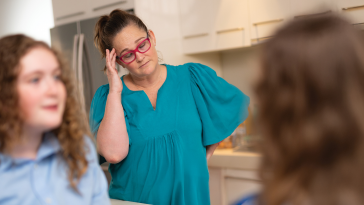
SYDNEY - TelAve -- TODAY, the Australian Chiropractors Association (ACA) released new national survey data revealing that 86.7% of Australian women suffered back pain in the past 12 months.
Of those women afflicted 57.5% experienced mental fatigue, 54.8% reported it added to their mental load, and 47.6% experienced a moderate-to-extreme mental health impact as a result of back pain.
The survey also highlighted spinal health issues in the context of family households revealing that back pain extends well beyond individual sufferers affecting 9.7 million Australian households (89.7%) with respondents reporting that in 5.4% of households a child under 18 is also living with back pain.
The new data obtained from the 2026 Spinal Health Survey, an independent national survey by Pureprofile (May 2026) of 1,040 Australian adults (528 Women and 512 Males), revealed that although the prevalence is slightly lower than men (87.5%), women experience significantly higher psychological consequences due to back pain with 47.6% of women with back pain in the last year reporting moderate-to-extreme mental health impact, compared to 44.2% of men.
ACA Women In Chiropractic Chair Dr Ali Young said, "Although it's well documented that back pain and mental health conditions are linked and can cause an impaired quality of life, the survey data is unambiguous with women suffering from back pain reporting higher rates of mental exhaustion, sleep disruption, depression and mental load compared to men; and were less likely to have sought diagnosis or professional treatment.
"With 53.7% of women suffering back pain reporting they've never sought a formal medical diagnosis, saying the barriers partly financial; 49.7% of women said the cost of living has prevented them from seeking treatment which was 10.9 percentage points (a relative increase of 28.1%) higher than men (38.8%).
"The survey results should prompt a serious national conversation about how women can improve their spinal health because back pain is not just a musculoskeletal problem; it incorporates mental health, equity and quality-of-life issues that deserve far greater attention," she said.
The mental health burden of back pain in Australia shows the gender gap in mental health impact to be widest in the 25–30 age group, with 63.5% of women aged 25–30 having back pain reporting moderate-to-extreme mental health impact compared to 44.7% of men in the same bracket - an 18.8 percentage point difference and the largest gender gap of any age group in the survey.
More on TelAve News
The survey also revealed that women are significantly more likely to suffer chronic pain than men with 46.5% of women with back pain reporting having chronic pain compared with 41.6% of men, while among women aged 41–50, the chronic pain rate reaches 46.8% - 13.1 percentage points above men in the same bracket.
"With numerous studies finding people living with chronic back pain are at heightened risk of experiencing mental health problems including a study by the International Association for the Study of Pain (2021), the significantly high number of women reporting chronic back pain is concerning," said Dr Young.
"Women are managing back pain alongside the mental, physical and financial demands of family life with the data showing the combined load is substantial," said Dr Young.
Women reported that they were more likely than men to cite caregiving and household responsibilities as contributing to their back pain with 16.4% of women nominating housework as a trigger (vs 9.5% of men), and 7.6% cited caring for a child, elderly person or person with disability.
Pregnancy is also reported as a contributing factor by 6.9% of women with back pain, with the physical demands of pregnancy followed by the sustained physical demands of early parenthood that represents a significant risk window for the development or worsening of spinal conditions.
In women, depression or anxiety from back pain peaked in the 51–60 age group at 17.1% - a critical age that coincides with peak income-earning, caring responsibilities and hormonal changes.
"It's recognised by healthcare professionals that chronic back pain can lead to psychological and social problems when depressive symptoms worsen back pain and increase the disability associated with it, which in turn can exacerbate back pain's negative impact on the mental health of sufferers," she said.
"The vicious cycle of back pain triggering a mental health problem can lead to the original back pain problem worsening and continue to accelerate unabated in the absence of interventions to break the pain cycle, while the costs of musculoskeletal disorders (MSDs), including back pain, to the Australian economy continue to rise substantially," Dr Young said.
More on TelAve News
PainAustralia reports the annual cost to the Australian economy for chronic pain is $73.2 billion, and Musculoskeletal Australia reporting MSDs costing $55.1 billion, including direct health costs, lost productivity and reduced quality of life.
With 6.1 million Australians already affected by MSDs, according to a Deloitte Access Economics (2019) report the rising cost of MSDs in Australia presents a strong case for a proactive, strategic response to MSD management (including back pain).
Research by Monash University's School of Public Health and Preventive Medicine (August 2025) has projected chronic back pain will cost the Australian economy $638 billion in lost productivity over the next decade, and that if we fail to tackle common back pain through promoting advice to stay active and receive appropriate care, by 2033, 3.2 million working-age Australians will be living with chronic back pain, leading to a loss of approximately 4.6 per cent to Australia's Gross Domestic Product (GDP) over a 10-year period.
"With back pain posing a major public health burden impacting millions of women across Australia and long-term chronic back disorders projected to cost the Australian economy an estimated $638 billion in lost productivity over the next decade; greater awareness of the back pain burden women carry, early intervention and improved affordability would make a meaningful difference to the health and wellbeing of Australian women and their families," Dr Young said.
During Week 3 of National Spinal Health Month (15–21 June), the ACA is encouraging women and families to prioritise their spinal health and seek evidence-based, drug-free healthcare to help prevent developing a chronic condition and minimise the impact back pain has on their mental health.
Women are encouraged to access free spinal health resources, practical guides and information for families and schools at www.spinalhealth.org.au to improve their spinal health and overall wellbeing.
ENDS
INTERVIEW REQUESTS: Email: ACA@insightcommunications.net.au
ACCESS IMAGES, VIDEO & DATA: MEDIA-CENTRE https://bit.ly/SHM26-Media
https://youtu.be/F-ORfQijE2A?si=8IVOk-ESQLvHmUAK
https://youtu.be/uUs6yxDclvY?si=o_gT7znWXgsU80ut
Of those women afflicted 57.5% experienced mental fatigue, 54.8% reported it added to their mental load, and 47.6% experienced a moderate-to-extreme mental health impact as a result of back pain.
The survey also highlighted spinal health issues in the context of family households revealing that back pain extends well beyond individual sufferers affecting 9.7 million Australian households (89.7%) with respondents reporting that in 5.4% of households a child under 18 is also living with back pain.
The new data obtained from the 2026 Spinal Health Survey, an independent national survey by Pureprofile (May 2026) of 1,040 Australian adults (528 Women and 512 Males), revealed that although the prevalence is slightly lower than men (87.5%), women experience significantly higher psychological consequences due to back pain with 47.6% of women with back pain in the last year reporting moderate-to-extreme mental health impact, compared to 44.2% of men.
ACA Women In Chiropractic Chair Dr Ali Young said, "Although it's well documented that back pain and mental health conditions are linked and can cause an impaired quality of life, the survey data is unambiguous with women suffering from back pain reporting higher rates of mental exhaustion, sleep disruption, depression and mental load compared to men; and were less likely to have sought diagnosis or professional treatment.
"With 53.7% of women suffering back pain reporting they've never sought a formal medical diagnosis, saying the barriers partly financial; 49.7% of women said the cost of living has prevented them from seeking treatment which was 10.9 percentage points (a relative increase of 28.1%) higher than men (38.8%).
"The survey results should prompt a serious national conversation about how women can improve their spinal health because back pain is not just a musculoskeletal problem; it incorporates mental health, equity and quality-of-life issues that deserve far greater attention," she said.
The mental health burden of back pain in Australia shows the gender gap in mental health impact to be widest in the 25–30 age group, with 63.5% of women aged 25–30 having back pain reporting moderate-to-extreme mental health impact compared to 44.7% of men in the same bracket - an 18.8 percentage point difference and the largest gender gap of any age group in the survey.
More on TelAve News
- Allstream Energy Partners to Host 6th Executive Networking After 2026 Energy Projects Conference
- Australians Seek More Certainty as Household Costs Continue to Rise
- CAPHRA: Australia and Thailand show nicotine prohibition fuels illicit markets
- Custom Disposables - Wholesale Packaging Solutions for restaurants, food chains, and food distributors
- California Security Glass is an affordable bulletproof glass installation company in LA serving a variety of neighboring cities
The survey also revealed that women are significantly more likely to suffer chronic pain than men with 46.5% of women with back pain reporting having chronic pain compared with 41.6% of men, while among women aged 41–50, the chronic pain rate reaches 46.8% - 13.1 percentage points above men in the same bracket.
"With numerous studies finding people living with chronic back pain are at heightened risk of experiencing mental health problems including a study by the International Association for the Study of Pain (2021), the significantly high number of women reporting chronic back pain is concerning," said Dr Young.
"Women are managing back pain alongside the mental, physical and financial demands of family life with the data showing the combined load is substantial," said Dr Young.
Women reported that they were more likely than men to cite caregiving and household responsibilities as contributing to their back pain with 16.4% of women nominating housework as a trigger (vs 9.5% of men), and 7.6% cited caring for a child, elderly person or person with disability.
Pregnancy is also reported as a contributing factor by 6.9% of women with back pain, with the physical demands of pregnancy followed by the sustained physical demands of early parenthood that represents a significant risk window for the development or worsening of spinal conditions.
In women, depression or anxiety from back pain peaked in the 51–60 age group at 17.1% - a critical age that coincides with peak income-earning, caring responsibilities and hormonal changes.
"It's recognised by healthcare professionals that chronic back pain can lead to psychological and social problems when depressive symptoms worsen back pain and increase the disability associated with it, which in turn can exacerbate back pain's negative impact on the mental health of sufferers," she said.
"The vicious cycle of back pain triggering a mental health problem can lead to the original back pain problem worsening and continue to accelerate unabated in the absence of interventions to break the pain cycle, while the costs of musculoskeletal disorders (MSDs), including back pain, to the Australian economy continue to rise substantially," Dr Young said.
More on TelAve News
- Allstream Energy Partners Announce Media Partnership with the 2026 EPC Show - The Energy Projects Conference
- STO Foundation Launching June 29, 2026 to Advance the Global Tokenization Industry
- West Virginia Leaders Announce Support for Election Integrity Network's Model Election Laws Handbook
- CCHR Condemns Behavioral Treatment After FDA's Missed Deadline to Ban Shock Device
- Brilliant Minds to Gather in Fort Worth for National Mensa Event
PainAustralia reports the annual cost to the Australian economy for chronic pain is $73.2 billion, and Musculoskeletal Australia reporting MSDs costing $55.1 billion, including direct health costs, lost productivity and reduced quality of life.
With 6.1 million Australians already affected by MSDs, according to a Deloitte Access Economics (2019) report the rising cost of MSDs in Australia presents a strong case for a proactive, strategic response to MSD management (including back pain).
Research by Monash University's School of Public Health and Preventive Medicine (August 2025) has projected chronic back pain will cost the Australian economy $638 billion in lost productivity over the next decade, and that if we fail to tackle common back pain through promoting advice to stay active and receive appropriate care, by 2033, 3.2 million working-age Australians will be living with chronic back pain, leading to a loss of approximately 4.6 per cent to Australia's Gross Domestic Product (GDP) over a 10-year period.
"With back pain posing a major public health burden impacting millions of women across Australia and long-term chronic back disorders projected to cost the Australian economy an estimated $638 billion in lost productivity over the next decade; greater awareness of the back pain burden women carry, early intervention and improved affordability would make a meaningful difference to the health and wellbeing of Australian women and their families," Dr Young said.
During Week 3 of National Spinal Health Month (15–21 June), the ACA is encouraging women and families to prioritise their spinal health and seek evidence-based, drug-free healthcare to help prevent developing a chronic condition and minimise the impact back pain has on their mental health.
Women are encouraged to access free spinal health resources, practical guides and information for families and schools at www.spinalhealth.org.au to improve their spinal health and overall wellbeing.
ENDS
INTERVIEW REQUESTS: Email: ACA@insightcommunications.net.au
ACCESS IMAGES, VIDEO & DATA: MEDIA-CENTRE https://bit.ly/SHM26-Media
https://youtu.be/F-ORfQijE2A?si=8IVOk-ESQLvHmUAK
https://youtu.be/uUs6yxDclvY?si=o_gT7znWXgsU80ut
Source: Australian Chiropractors Association
0 Comments
Latest on TelAve News
- Traian TKD Tractari Auto Iasi: cum transporti legal la RAR o masina fara numere sau cu ITP expirat
- Mike Williams Golf Center Now Open at Georgia's Lanier Islands Resort
- Appliance EMT Launches June "Summer Rescue" Promotion
- New Luxury Single Family Homes From $976,990 in Manalapan
- Longevityresearch.ca Unveils a Unique Bayesian Causal Atlas; Saves up to 7.9 life years/patient
- K2 Integrity Acquires RiskFront AI to Deliver AI Automation for Financial Crime Compliance and Risk Operations
- HousingWire acquires Keeping Current Matters, putting local market data into the tools agents use to win listings
- KIDZONET & Ocean Telecom Launch UK First eSIM Child Protection — EasySim AI Safe SIM Cards
- School Dental Screening Programs Conducted in Dubai
- British Brand Daniel Mason™ Expands Premium Braided Leather Belt Collection Internationally
- Looking for expert pool tiling in Gold Coast? Call Avid Tiling
- Hosted Network Powers National Growth with netElastic vBNG, CGNAT and netVision
- Super Lawyers Recognizes Inman & Tourgee Attorneys Mark Tourgee and Jacob Rinn
- PropAccount.com Launches PropGenie, the First Branding Studio Built for Prop Firm Operators
- BEC Technologies Showcases Unified Connectivity Solutions for Critical Operations at CCW 2026
- Rushing Headlong: Health IT's Legacy and the Road to Responsible AI is named 2025 Foreword INDIES Book of the Year Awards Winner
- The Problem With AI Isn't Compute. It's Memory
- Golden Visa Countries Outpace Eurozone Growth Over Eight Years, New La Vida Analysis Finds
- Allstream Energy Partners Announced as Official Media Partner for the 2nd Annual Permian Power Conference
- CCHR Calls Out Psychiatry's Pattern of Resistance to Antidepressant Deprescribing