Popular on TelAve
- Nextlink Internet Deploys netElastic to Modernize Its Hybrid Broadband Network - 194
- AeroNet Deploys netElastic vBNG and CGNAT with Tarana Wireless to Deliver Scalable, Fiber-Class Broadband Across Puerto Rico - 164
- One in three Americans may have lost track of retirement savings from a previous job - 137
- Commercial Manufacturing Validation Completed as November 10 FDA Milestone Approaches; Critical FDA Milestone Close: NRx Pharmaceuticals NAS DAQ: NRXP - 124
- 1569531 B.C. LTD. dba ELEOLUXE Connects Renovation Design and Project Coordination - 110
- AI Voice Agents Are Now Calling AI Receptionists, NextPhone 2026 Call Report Finds - 104
- Looop Officially Launches a Safety Notifications App for Families Who Care From a Distance - 102
- RAS AP Consulting Advances 1099 Education and Readiness Initiative Through IFOL Training and Finance Technology Showcase
- KAIT to Demonstrate 400 Gbps 8K Video Processing via SRv6 In-Network Computing at SC26
- Security Industry Veteran Anthony Rumore Launches AegisLead to Help Security Companies Find Business and Manage Growth
Similar on TelAve
- Entrepreneur Nouho M Kanneh Talks Family, Faith and a $37 Million Portfolio in New Interview
- Massive Acquisition Into Defense With STS for Virtuix Holdings; $40 Million Revenue Business Will Accelerate Growth Transforming Market Position
- Commercial Sales for U.S.-Made, Preservative-Free Ketamine Amid Long-Runnin Shortage Following FDA Approval by NRx Pharmaceuticals, Inc
- Security Planning Tips For Your Holiday Event From Access Patrol Services
- Contracting Resources Group Receives 2026 HIRE Vets Platinum Medallion Award
- Kitchen Table Economics: An Invitation to Think Differently
- Iglesia.com Positioned in Multimillion-Dollar Domain Market with $10 Million Asking Price
- Searching for the Next LBE Creator: CalArts Launches First-Ever D.R.E.A.M.S. Pitch Competition
- TCA VG: 2025 Funding Climbs to $9M across 43 Companies; Cumulative Returns Reach 5.3 MOIC & 22% IRR
- Commercial Sales Launch Following FDA Approval; National Sales Force Now in Action as January Shipments and Major Market Opportunity Take Shape
Cost of Pain: 9-in-10 Australian workers in pain push on, with half unable to afford time off
TelAve News/10909421
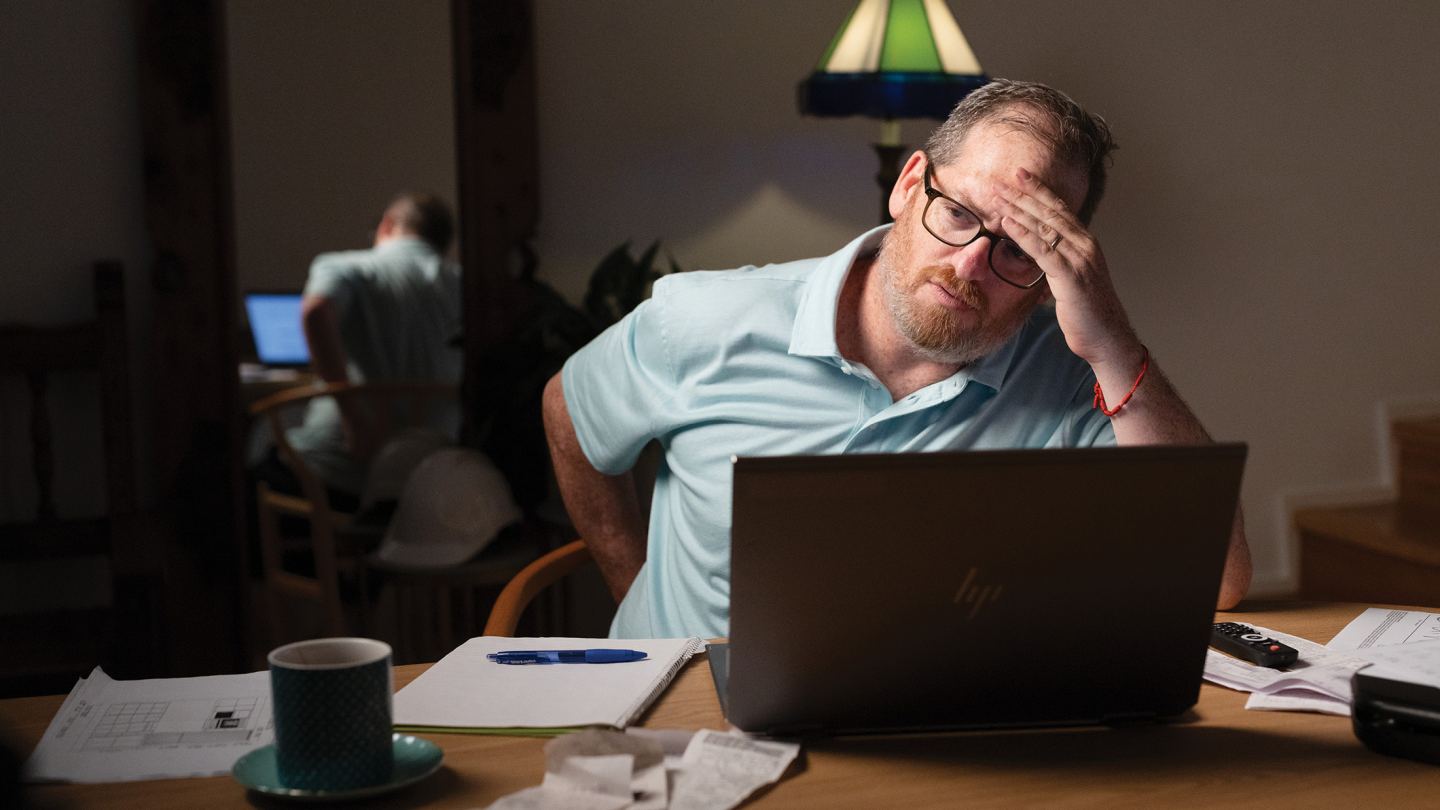
Cost-of-living and job security fears are pushing Australians to work through pain instead of resting, recovering or seeking treatment, new research reveals.
TelAve -- In launching WorkSpace Week 2026 (19-25 October), a new independent national survey has revealed that nine-in-ten (89%) working Australians experiencing work-related pain continued working over the past year despite feeling they should have rested or taken time off.
Almost half (49%) of those who worked through pain said they couldn't afford to lose income, rising to 54% of women. The cost of living has also prevented 45% of working pain sufferers from taking time off to recover from an injury, while 42% reported delaying or avoiding medical treatment due to financial pressures.
The 2026 Impact of Work-related Musculoskeletal Disorders or Injuries on Australian Workers national survey of 1,056 Australians, commissioned by the Australian Chiropractors Association (ACA) and conducted by independent research firm Pureprofile, found that three-in-four Australians (76%) who've worked at some point in their lives (current workers, retirees and those on leave) have experienced a work-related musculoskeletal disorder (WMSD) or injury.
Among respondents currently working, this rises to 83%. Alarmingly, 43% of pain sufferers currently working continue to work regularly with pain despite feeling that they should rest or take time off, rising to 50% of women compared to 37% of men, while many (40%) people with work-related pain never disclosed their pain or injury to their employer.
Job security was high on the list of concerns of those continuing to work despite being in pain (43%), rising to 50% among 18-to-30-year-old workers. Regional respondents were more likely than metro respondents to experience work-related pain regularly (46% vs 36%) and were less likely to take time off (41% vs 54%); while 31% of people experiencing work-related pain have never sought a diagnosis or treatment and 65% have at least one untreated condition.
The survey identified that work-related back pain is becoming chronic, with the back pain experienced by 44% of workers lasting longer than three months compared to just 21% who said their back pain had completely resolved.
More on TelAve News
ACA President Dr Billy Chow said, "The survey results show work-related pain has become an accepted part of working life for most Australians, with too many continuing to work rather than modify behaviour or seek early diagnosis and effective treatment.
"When people with a work-related injury continue working, a short-term problem can develop into a chronic condition that poses real long-term consequences for workers, their families, employers and the Australian economy," he said.
83% of people surveyed whose job involves computer or desk work have experienced work-related pain, just below those who lift (88%) or push and pull (91%), while clinical healthcare workers are hardest hit with work-related pain at 93%.
The survey also identified the impact WMSDs or injuries have on productivity, with 55% of current workers surveyed reporting that they had to take time off work, which impacted them, their families and employers.
Safe Work Australia (2026) reports that musculoskeletal injuries and diseases account for the majority (53%) of serious workers' compensation claims, and these can develop into chronic conditions posing serious long-term implications for workers, their families, their employers' bottom line and the economy.
"WMSDs can reduce workers' productivity and quality of life while increasing psychological distress, bodily pain and disability, so it's essential for employers to implement preventative measures and interventions. With over 400 serious workers' compensation claims lodged daily, we must prioritise workplace safety controls, regular risk assessments and early intervention to help prevent the long-term impacts on health, wellbeing and productivity," Dr Chow said.
WMSDs are a range of inflammatory and degenerative conditions affecting the muscles, tendons, ligaments, joints, peripheral nerves and supporting blood vessels. They can be caused by a single workplace event but commonly result from repeated harmful activities over an extended period.
According to Safe Work Australia's Key Work Health and Safety Statistics (October 2026), body stressing is the most common mechanism of injury across every major occupation group, accounting for 51,800 (35.2%) serious claims, followed by falls, slips and trips (32,700 or 22.2%).
More on TelAve News
Now in its fifth year, WorkSpace Week is held during National Safe Work Month and aligns with the Australian Work Health and Safety Strategy 2023–2033.
WMSD risks include poorly executed lifting, pushing, pulling and bending, repetitive movements, poor posture, prolonged driving and non-ergonomic computer use. Mental stress can also trigger tension and cervicogenic (neck-related) headaches that affect workers' concentration, productivity and wellbeing.
Work-related pain is also taking a psychological toll, with 72% of sufferers reporting an impact on their mental health and wellbeing, rising to 82% of 18-to-30-year-olds.
"Without early intervention, the relationship between pain and mental health can become a vicious cycle, worsening both conditions and affecting workers, their families and employers," Dr Chow said.
"Of concern, 52% of workers surveyed said they're too busy to take movement or stretching breaks. Only 11% are very confident they know how to reduce their risk, and among workers who are not confident, 92% have experienced work-related pain compared with 73% of those who are very confident."
New figures from the Australian Institute of Health and Welfare show health spending on musculoskeletal disorders (MSDs) reached $17.5 billion in 2024–25, up $1.2 billion in a year, making MSDs Australia's third most costly disease group behind cancer ($21.7B) and cardiovascular diseases ($18.4B). Deloitte Access Economics estimates the total economic cost exceeds $55.1 billion a year.
"With serious workers' compensation claims for traumatic joint, ligament, muscle and tendon injuries, and musculoskeletal and connective tissue diseases increasing by 28.7% over the past eight years, prevention and early intervention provide the best protection.
We're urging employers and workers to join the WorkSpace Week movement by reviewing workplace safety controls, managing modifiable risks and encouraging early diagnosis and treatment to help prevent chronic conditions," Dr Chow said.
Interventions can include improving posture; regular exercise, movement breaks, stretching and strengthening; ergonomic workstations; task-specific and equipment changes; manual handling training; and balancing work hours and workloads to minimise mental stress.
Employers and workers can download free resources including the checklists, exercise posters, factsheets and podcasts at workspaceweek.org.au to help Australians Work Well From Head to Toe.
Access Media Centre
https://youtu.be/xfgGX60xbr4?si=oIX05Y8YKbwf1Cdz
Almost half (49%) of those who worked through pain said they couldn't afford to lose income, rising to 54% of women. The cost of living has also prevented 45% of working pain sufferers from taking time off to recover from an injury, while 42% reported delaying or avoiding medical treatment due to financial pressures.
The 2026 Impact of Work-related Musculoskeletal Disorders or Injuries on Australian Workers national survey of 1,056 Australians, commissioned by the Australian Chiropractors Association (ACA) and conducted by independent research firm Pureprofile, found that three-in-four Australians (76%) who've worked at some point in their lives (current workers, retirees and those on leave) have experienced a work-related musculoskeletal disorder (WMSD) or injury.
Among respondents currently working, this rises to 83%. Alarmingly, 43% of pain sufferers currently working continue to work regularly with pain despite feeling that they should rest or take time off, rising to 50% of women compared to 37% of men, while many (40%) people with work-related pain never disclosed their pain or injury to their employer.
Job security was high on the list of concerns of those continuing to work despite being in pain (43%), rising to 50% among 18-to-30-year-old workers. Regional respondents were more likely than metro respondents to experience work-related pain regularly (46% vs 36%) and were less likely to take time off (41% vs 54%); while 31% of people experiencing work-related pain have never sought a diagnosis or treatment and 65% have at least one untreated condition.
The survey identified that work-related back pain is becoming chronic, with the back pain experienced by 44% of workers lasting longer than three months compared to just 21% who said their back pain had completely resolved.
More on TelAve News
- Commercial Sales for U.S.-Made, Preservative-Free Ketamine Amid Long-Runnin Shortage Following FDA Approval by NRx Pharmaceuticals, Inc
- The King Returns: Satirical December 2026 Rematch Sees Challenger Delayed by a Christmas Light Installation
- LCH2 Awarded Additional $1 Million to Advance Lewis County Clean Energy Campus
- Security Planning Tips For Your Holiday Event From Access Patrol Services
- Contracting Resources Group Receives 2026 HIRE Vets Platinum Medallion Award
ACA President Dr Billy Chow said, "The survey results show work-related pain has become an accepted part of working life for most Australians, with too many continuing to work rather than modify behaviour or seek early diagnosis and effective treatment.
"When people with a work-related injury continue working, a short-term problem can develop into a chronic condition that poses real long-term consequences for workers, their families, employers and the Australian economy," he said.
83% of people surveyed whose job involves computer or desk work have experienced work-related pain, just below those who lift (88%) or push and pull (91%), while clinical healthcare workers are hardest hit with work-related pain at 93%.
The survey also identified the impact WMSDs or injuries have on productivity, with 55% of current workers surveyed reporting that they had to take time off work, which impacted them, their families and employers.
Safe Work Australia (2026) reports that musculoskeletal injuries and diseases account for the majority (53%) of serious workers' compensation claims, and these can develop into chronic conditions posing serious long-term implications for workers, their families, their employers' bottom line and the economy.
"WMSDs can reduce workers' productivity and quality of life while increasing psychological distress, bodily pain and disability, so it's essential for employers to implement preventative measures and interventions. With over 400 serious workers' compensation claims lodged daily, we must prioritise workplace safety controls, regular risk assessments and early intervention to help prevent the long-term impacts on health, wellbeing and productivity," Dr Chow said.
WMSDs are a range of inflammatory and degenerative conditions affecting the muscles, tendons, ligaments, joints, peripheral nerves and supporting blood vessels. They can be caused by a single workplace event but commonly result from repeated harmful activities over an extended period.
According to Safe Work Australia's Key Work Health and Safety Statistics (October 2026), body stressing is the most common mechanism of injury across every major occupation group, accounting for 51,800 (35.2%) serious claims, followed by falls, slips and trips (32,700 or 22.2%).
More on TelAve News
- Business News & Info Goes Inside Paragon FX Group's Hunt for Original Film Props
- Kitchen Table Economics: An Invitation to Think Differently
- Win a $5,000 VIP Family Experience at the 100th Thanksgiving Day Parade in New York City
- CB Stuffer Announces Private Sale to Secure Future of Brand Growth
- The Fifth Annual "Bamboo Lantern Festival" to Illuminate Tokyo Mizumachi and Sumida River Walk®
Now in its fifth year, WorkSpace Week is held during National Safe Work Month and aligns with the Australian Work Health and Safety Strategy 2023–2033.
WMSD risks include poorly executed lifting, pushing, pulling and bending, repetitive movements, poor posture, prolonged driving and non-ergonomic computer use. Mental stress can also trigger tension and cervicogenic (neck-related) headaches that affect workers' concentration, productivity and wellbeing.
Work-related pain is also taking a psychological toll, with 72% of sufferers reporting an impact on their mental health and wellbeing, rising to 82% of 18-to-30-year-olds.
"Without early intervention, the relationship between pain and mental health can become a vicious cycle, worsening both conditions and affecting workers, their families and employers," Dr Chow said.
"Of concern, 52% of workers surveyed said they're too busy to take movement or stretching breaks. Only 11% are very confident they know how to reduce their risk, and among workers who are not confident, 92% have experienced work-related pain compared with 73% of those who are very confident."
New figures from the Australian Institute of Health and Welfare show health spending on musculoskeletal disorders (MSDs) reached $17.5 billion in 2024–25, up $1.2 billion in a year, making MSDs Australia's third most costly disease group behind cancer ($21.7B) and cardiovascular diseases ($18.4B). Deloitte Access Economics estimates the total economic cost exceeds $55.1 billion a year.
"With serious workers' compensation claims for traumatic joint, ligament, muscle and tendon injuries, and musculoskeletal and connective tissue diseases increasing by 28.7% over the past eight years, prevention and early intervention provide the best protection.
We're urging employers and workers to join the WorkSpace Week movement by reviewing workplace safety controls, managing modifiable risks and encouraging early diagnosis and treatment to help prevent chronic conditions," Dr Chow said.
Interventions can include improving posture; regular exercise, movement breaks, stretching and strengthening; ergonomic workstations; task-specific and equipment changes; manual handling training; and balancing work hours and workloads to minimise mental stress.
Employers and workers can download free resources including the checklists, exercise posters, factsheets and podcasts at workspaceweek.org.au to help Australians Work Well From Head to Toe.
Access Media Centre
https://youtu.be/xfgGX60xbr4?si=oIX05Y8YKbwf1Cdz
Source: Australian Chiropractors Association
0 Comments
Latest on TelAve News
- Jamie Foxx's SKVLK Fest Sets the Record Straight on Stabbing Reports Following Star-Studded Celebration
- Andrew Balzano Releases One of My Life's Passions: Classics and Mysteries, a Fan's Guide to Great Mysteries Worth Rewatching
- The 4th Annual Newark Summit for Economic Development, Placemaking & Innovation Returns on December 8th
- Romanian Software Company ASSIST Software Ranks Second Nationally Among Large Enterprises in Its Category
- HIRO Ostomy Belt Launch by Richard O'Hamill
- New Omega-3 Fish Oil Under NIH Investigation: What Makes It Different From EPA and DHA?
- Technical Brief Examines Enterprise Integration Challenges as AI Agent Platforms Expand
- OncoBeta Introduces Rhenium-SCT for Non-Melanoma Skin Cancer at Theageneio Cancer Hospital of Thessaloniki
- Brian G. Miller Co., LLC Receives Tier 1 Ranking in the 2027 Edition of Best Law Firms®
- The Villari Firm, PLLC Named to the 2027 Edition of Best Law Firms
- Bacchus Wine & Spirits and Michelin Guide–Recommended Ethel's Fancy to Host Exclusive LOUIS XIII Limited Edition Diwali Decanter Celebration
- Arizona Pest Control Surpasses $200,000 in Contributions to Southern Arizona High School Sports and Education Programs
- ZenaTech (NAS DAQ: ZENA) $1 Million in New Utility Contracts- Potential $2.5 Million Follow-On Opportunity Puts Its Drone Business in the Spotlight!
- New Patient Data Show REQORSA® Activating Cellular Repair Pathways as Roche Collaboration Advances Precision Lung Cancer Strategy for Genprex, Inc
- Genuine Hospitality, LLC Selected to Operate Holiday Inn Express & Suites Jacksonville – Town Center
- Shiokly Launches Online Marketplace to Help Singapore Home-Based Businesses Sell More, With First Product Listed Free
- Freight Broker 911 and Milton Collier Introduce "What's The 911?"—A New Podcast Built on Real Talk, Real Freight, and Real Opportunity
- CONNECTSIM Highlights Thailand eSIM Plans as Dry Season Opens and Loy Krathong Approaches
- PropAccount.com Launches PropWallet, Turning Prop Firm Payouts Into Repeat Sales
- KOLBUS America, For All Of Your Hycorr Equipment And Service Needs