Popular on TelAve
- Parksy (parksy.com) Tackles the Most Common Parking Problem Nobody Talks About: Finding the Car Again - 727
- Sales Blueprint Architect Launches, Helping Sales Professionals, Business Owners, and Consultants Close More Business With AI - 712
- CasaPerks and CredHub Partner to Help the Multifamily Industry Strengthen Resident Activation Through Credit-Building Rewards - 609
- OneVizion Appoints Zebra Technologies CIO Matt Ausman to Board of Directors - 189
- Flexible Plan Investments Announces Retirement of Executive Vice President Renée Toth - 169
- StockResearch AI Initiates Coverage on Apple (AAPL) With New Report Examining Valuation, AI Strategy and Future Growth - 107
- Kentucky's Plane Crash Data Lands Far from the State's Busiest Airports
- DAZN Review 2026: Streaming Price Worth It?
- Experienced eXp Realty Agent Kerri Lawless Guides Buyers and Sellers Through Life's Next Chapters in St. Tammany Parish
- When the Coroner's Report Isn't Enough: Colorado Families Turn to Private Autopsy for Closure
Similar on TelAve
- ClearSight Therapeutics Receives NIH SBIR Phase I Award for Conjunctivitis and EKC Research
- Lunai Bioworks (N A S D A Q: LNAI) Takes Parkinson's Discovery to the Next Level With Exclusive Tanaist Agreement
- Independent Autopsies Are Changing Civil Cases: Kansas City Forensic Explains Why Families Are Seeking Second Opinions
- Cummings Graduate Institute Celebrates New Doctor of Behavioral Health Graduates
- NYC Big Book Award Celebrates 10th Anniversary with Announcement of 2026 Winners
- Warrant Activity, AVERSA™ Progress and a Potentially Transformative Fall Take Center Stage: Nutriband Inc. (N A S D A Q: NTRB)
- Future Intelligence Think Tank Surpasses 1,000 Members Exploring Human and Artificial Intelligence
- Can Government Operate Better Through Innovation?
- Infinity Infusion Solutions Named Finalist for D Magazine's D CEO 2026 Excellence in Healthcare Awards
- Building a Diversified Healthcare Platform as Exosome Science, Telehealth, Diagnostics & Strategic Acquisitions Converge: NexTel Medical (OTCID: MAJI)
Study Questions Serious Flaws in $35 Million Antidepressant Research
TelAve News/10823643
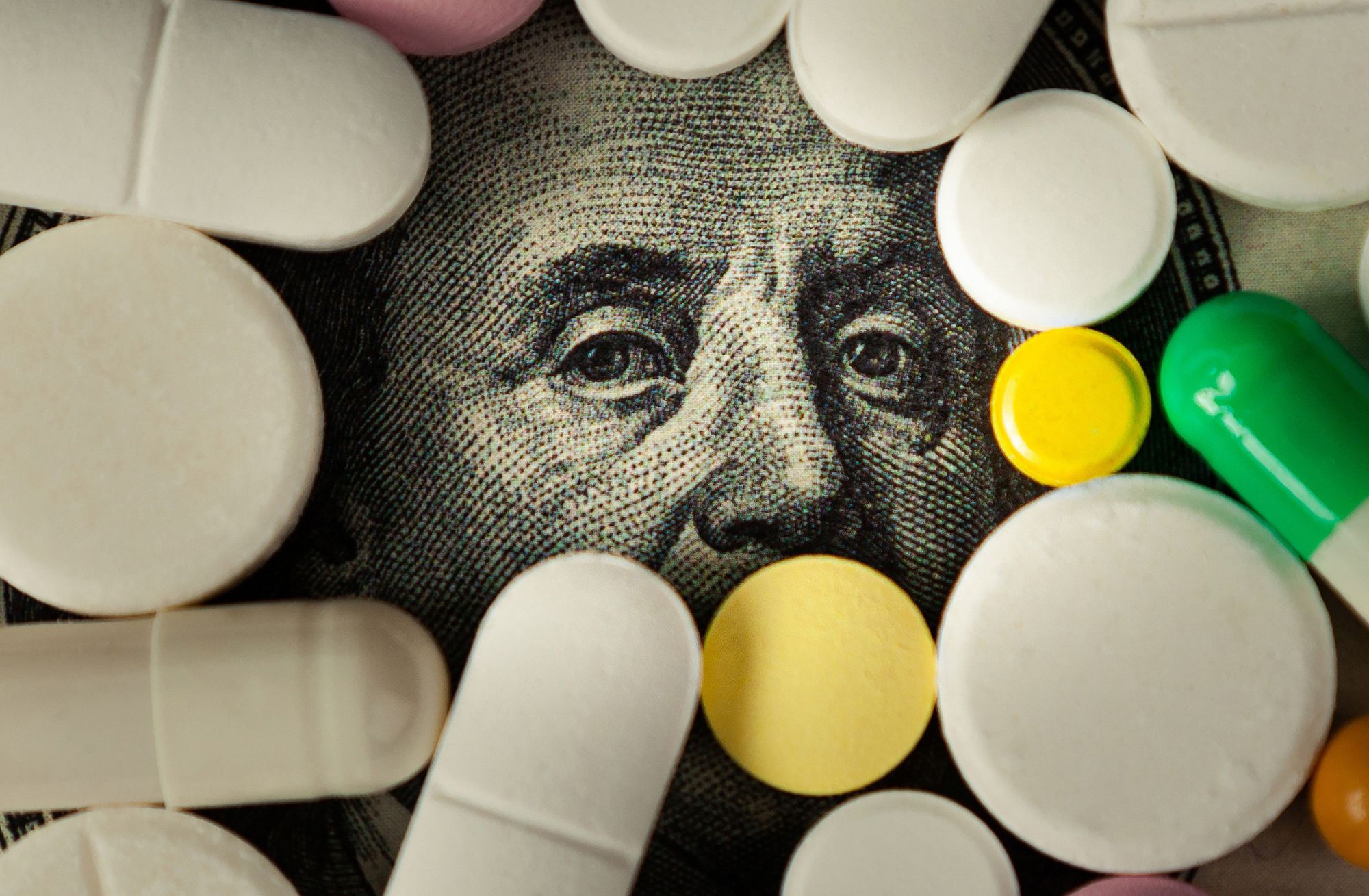
CCHR says millions of taxpayer dollars are wasted on psychotropic drug research later found to be flawed and harmful to consumers
LOS ANGELES - TelAve -- Researchers have reanalyzed data from a $35 million U.S. National Institute of Mental Health (NIMH)-funded study, challenging its conclusions and raising further concerns about flaws in antidepressant research. Published in BMJ, the study debunks the 2006 Sequenced Treatment Alternatives to Relieve Depression (STAR*D) study, which claimed a 67% depression remission rate for antidepressants. Instead, it suggests a success rate of only 35%—only half of what was previously thought—questioning past psychiatric research and treatment decisions.[1] Indeed, other studies also indicate that antidepressants may be largely ineffective and potentially harmful. The mental health industry watchdog, Citizens Commission on Human Rights International, says this is another example of inflated results about antidepressant efficacy, which can mislead consumers into taking antidepressants and could be a driving force behind why 45 million Americans currently take the drugs.
The BMJ authors concluded that "STAR*D's cumulative remission rate was approximately half of that reported" originally and response rates were significantly inflated.
In an article in the Psychiatric Times titled "The STAR*D Dethroned?," the author, John J. Miller, M.D. stated, "For us in psychiatry, if the BMJ authors are correct, this is a huge setback, as all of the publications and policy decisions based on the STAR*D findings that became clinical dogma since 2006 will need to be reviewed, revisited, and possibly retracted."
Michael P. Hengartner from the Department of Applied Psychology, Zurich University of Applied Sciences in Switzerland, analyzed discontinuation trials focusing on the efficacy of antidepressants in maintenance therapy, finding them questionable. He also found that "a growing body of evidence from hundreds of randomized controlled trials suggests that antidepressants cause suicidality, but this risk is underestimated because data from industry-funded trials are systematically flawed. The strong reliance on industry-funded research results in an uncritical approval of antidepressants." The harm, he added, "is systematically underestimated."[2]
More on TelAve News
Such potential harm was flagged in 2022 when a major study by researchers at the University College of London disproved the decades-old theory that a brain-based chemical abnormality causes depression requiring antidepressants to correct it.[3] Since the early 1990s, the industry has propagated this fabricated theory, and as lead author Professor Joanna Moncrieff, M.D. said, "The popularity of the 'chemical imbalance' theory has coincided with a huge increase in the use of antidepressants."[4]
In 2018, Prof. Moncrieff was asked to review the first reports of the primary outcome measure of STAR*D, 14 years after the study was finished. "The paper I was asked to review, which is now published in Psychology of Consciousness: Theory, Research and Practice, is written by a group led by Irving Kirsch and based on the original data obtained through the NIMH."
"Whatever the reason," she said, based on the follow-up, "people taking antidepressants do not do very well. In fact, given that for the vast majority of people depression is a naturally remitting condition, it is difficult to believe that people treated with antidepressants do any better than people who are offered no treatment at all."[5]
Ed Pigott, Ph.D., added this: "Before STAR*D, I wasn't prone to believing in conspiracy theories but as we peeled back its layers I found myself spinning theories about how this study became so profoundly misrepresented given all of the actors involved (20+ top-tier researchers/NIMH), anyone of whom could have objected and 'blown the whistle;' but none did." He went a great deal further saying STAR*D's results were "falsely portrayed in ways that harm those who suffer with depression."[6]
Pigott cited Thomas Insel, head of NIMH, who observed that "The unfortunate reality is that current medications help too few people to get better and very few people to get well."
"What a sad commentary on the 50+ years of psychotropic drug research efforts," Piggot wrote.
Thirteen of the 16 authors of the original STAR*D study reported financial affiliations with numerous pharmaceutical companies, including Bristol-Myers Squibb, Forest Laboratories, GlaxoSmithKline, Organon, Pfizer, and King Pharmaceuticals and Wyeth that provided medications at no cost for this trial.[7]
More on TelAve News
Indeed, the lead researcher was under U.S. Senate investigation in 2008 for his undisclosed conflicts of interest for reporting only $3,000 of the nearly $18,000 that Eli Lilly, the manufacturer of antidepressants, paid him in 2001. Between 2000 and 2007, he failed to report another $12,000 from various drug companies.[8] That inquiry, headed by Senator Charles Grassley, looked at seven psychiatrists who had failed to declare nearly $9.9 million between them to universities and agencies with whom they worked and who required such disclosure.[9]
Because of the serious potential harm psychotropic drugs can cause, CCHR says flawed studies should be retracted and independently investigated for consumer fraud.
About CCHR: CCHR was founded in 1969 by the Church of Scientology and the late Dr. Thomas Szasz, Professor of Psychiatry and prolific author of books on psychiatry. It successfully campaigned for the FDA black box warning about antidepressant-induced suicide.
Sources:
[1] www.psychiatrictimes.com/view/star-d-dethroned
[2] www.ncbi.nlm.nih.gov/pmc/articles/PMC5725408/
[3] www.cchrint.org/2022/08/19/with-the-chemical-imbalance-myth-exposed-thats-not-all-psychiatry-got-wrong/ citing www.nature.com/articles/s41380-022-01661-0
[4] www.cchrint.org/2022/07/22/cchr-lauds-study-disproving-chemical-imbalance-causes-depression/ citing www.dailymail.co.uk/news/article-11035903/Expert-says-psychiatrists-KNOW-theory-low-serotonin-levels-cause-depression-incomplete.html; www.nature.com/articles/s41380-022-01661-0
[5] www.madinamerica.com/2018/10/results-world-largest-antidepressant-study-look-dismal/
[6] www.madinamerica.com/2011/03/%EF%BB%BFan-introduction-the-story-of-bias-in-the-stard-trial-more/
[7] John Rush, et al., "Acute and Longer-Term Outcomes in Depressed Outpatients Requiring One or Several Treatment Steps: A STAR*D Report," American Journal of Psychiatry, 2006
[8] www.cchrint.org/2010/05/21/dsm-panel-members-still-getting-pharma-funds/; globalhealth.duke.edu/news/dr-augustus-john-rush-joins-duke-nus-graduate-medical-school-vice-dean-clinical-sciences
[9] www.cchrint.org/issues/psycho-pharmaceutical-front-groups/dbsa-advisory-board/
The BMJ authors concluded that "STAR*D's cumulative remission rate was approximately half of that reported" originally and response rates were significantly inflated.
In an article in the Psychiatric Times titled "The STAR*D Dethroned?," the author, John J. Miller, M.D. stated, "For us in psychiatry, if the BMJ authors are correct, this is a huge setback, as all of the publications and policy decisions based on the STAR*D findings that became clinical dogma since 2006 will need to be reviewed, revisited, and possibly retracted."
Michael P. Hengartner from the Department of Applied Psychology, Zurich University of Applied Sciences in Switzerland, analyzed discontinuation trials focusing on the efficacy of antidepressants in maintenance therapy, finding them questionable. He also found that "a growing body of evidence from hundreds of randomized controlled trials suggests that antidepressants cause suicidality, but this risk is underestimated because data from industry-funded trials are systematically flawed. The strong reliance on industry-funded research results in an uncritical approval of antidepressants." The harm, he added, "is systematically underestimated."[2]
More on TelAve News
- Lunai Bioworks (N A S D A Q: LNAI) Takes Parkinson's Discovery to the Next Level With Exclusive Tanaist Agreement
- Revenue Optics Names Prat Patibandla Director of Growth Marketing
- Independent Autopsies Are Changing Civil Cases: Kansas City Forensic Explains Why Families Are Seeking Second Opinions
- JEGS Launches Transformed Digital Commerce Platform Powered by PhaseZero
- Optimum Partners with ScreenCloud to Bring Enterprise Digital Signage to the Deskless Workforce
Such potential harm was flagged in 2022 when a major study by researchers at the University College of London disproved the decades-old theory that a brain-based chemical abnormality causes depression requiring antidepressants to correct it.[3] Since the early 1990s, the industry has propagated this fabricated theory, and as lead author Professor Joanna Moncrieff, M.D. said, "The popularity of the 'chemical imbalance' theory has coincided with a huge increase in the use of antidepressants."[4]
In 2018, Prof. Moncrieff was asked to review the first reports of the primary outcome measure of STAR*D, 14 years after the study was finished. "The paper I was asked to review, which is now published in Psychology of Consciousness: Theory, Research and Practice, is written by a group led by Irving Kirsch and based on the original data obtained through the NIMH."
"Whatever the reason," she said, based on the follow-up, "people taking antidepressants do not do very well. In fact, given that for the vast majority of people depression is a naturally remitting condition, it is difficult to believe that people treated with antidepressants do any better than people who are offered no treatment at all."[5]
Ed Pigott, Ph.D., added this: "Before STAR*D, I wasn't prone to believing in conspiracy theories but as we peeled back its layers I found myself spinning theories about how this study became so profoundly misrepresented given all of the actors involved (20+ top-tier researchers/NIMH), anyone of whom could have objected and 'blown the whistle;' but none did." He went a great deal further saying STAR*D's results were "falsely portrayed in ways that harm those who suffer with depression."[6]
Pigott cited Thomas Insel, head of NIMH, who observed that "The unfortunate reality is that current medications help too few people to get better and very few people to get well."
"What a sad commentary on the 50+ years of psychotropic drug research efforts," Piggot wrote.
Thirteen of the 16 authors of the original STAR*D study reported financial affiliations with numerous pharmaceutical companies, including Bristol-Myers Squibb, Forest Laboratories, GlaxoSmithKline, Organon, Pfizer, and King Pharmaceuticals and Wyeth that provided medications at no cost for this trial.[7]
More on TelAve News
- Subject matter experts: Present your ideas at IISE Annual Conference 2027 in Louisville
- Cummings Graduate Institute Celebrates New Doctor of Behavioral Health Graduates
- Visit London Appoints The SEO Works for AI-First Search Strategy
- Inglewood Associates and Gordon Brothers Provide Update on Sale Process for 925 Euclid Avenue in Cleveland
- Century Fasteners Corp. Exhibiting at the 2026 International Fastener Expo
Indeed, the lead researcher was under U.S. Senate investigation in 2008 for his undisclosed conflicts of interest for reporting only $3,000 of the nearly $18,000 that Eli Lilly, the manufacturer of antidepressants, paid him in 2001. Between 2000 and 2007, he failed to report another $12,000 from various drug companies.[8] That inquiry, headed by Senator Charles Grassley, looked at seven psychiatrists who had failed to declare nearly $9.9 million between them to universities and agencies with whom they worked and who required such disclosure.[9]
Because of the serious potential harm psychotropic drugs can cause, CCHR says flawed studies should be retracted and independently investigated for consumer fraud.
About CCHR: CCHR was founded in 1969 by the Church of Scientology and the late Dr. Thomas Szasz, Professor of Psychiatry and prolific author of books on psychiatry. It successfully campaigned for the FDA black box warning about antidepressant-induced suicide.
Sources:
[1] www.psychiatrictimes.com/view/star-d-dethroned
[2] www.ncbi.nlm.nih.gov/pmc/articles/PMC5725408/
[3] www.cchrint.org/2022/08/19/with-the-chemical-imbalance-myth-exposed-thats-not-all-psychiatry-got-wrong/ citing www.nature.com/articles/s41380-022-01661-0
[4] www.cchrint.org/2022/07/22/cchr-lauds-study-disproving-chemical-imbalance-causes-depression/ citing www.dailymail.co.uk/news/article-11035903/Expert-says-psychiatrists-KNOW-theory-low-serotonin-levels-cause-depression-incomplete.html; www.nature.com/articles/s41380-022-01661-0
[5] www.madinamerica.com/2018/10/results-world-largest-antidepressant-study-look-dismal/
[6] www.madinamerica.com/2011/03/%EF%BB%BFan-introduction-the-story-of-bias-in-the-stard-trial-more/
[7] John Rush, et al., "Acute and Longer-Term Outcomes in Depressed Outpatients Requiring One or Several Treatment Steps: A STAR*D Report," American Journal of Psychiatry, 2006
[8] www.cchrint.org/2010/05/21/dsm-panel-members-still-getting-pharma-funds/; globalhealth.duke.edu/news/dr-augustus-john-rush-joins-duke-nus-graduate-medical-school-vice-dean-clinical-sciences
[9] www.cchrint.org/issues/psycho-pharmaceutical-front-groups/dbsa-advisory-board/
Source: Citizens Commission on Human Rights International
0 Comments
Latest on TelAve News
- Canadian Tint Expo 2027: Why Every Window Tinter Should Compete in Niagara Falls on April 3rd & 4th
- MobileSphere Index Finds Mobile Numbers Are Becoming the New Digital Identity
- Building a Diversified Healthcare Platform as Exosome Science, Telehealth, Diagnostics & Strategic Acquisitions Converge: NexTel Medical (OTCID: MAJI)
- Most Indiana Plane Crashes Happen Away from the State's Major Airports
- L2 Aviation Welcomes Jason Marshall as Vice President of Sales and Business Development
- Mom Era, Still That Girl: Family Art Tees 25% Off
- Fashion vs. Fascism - Because Democracy Should Always Be In Style
- Lee Gunn IV Shares Lessons From 40 Years in the Courtroom on PodNumbra Podcast
- Michael H. Kaplan Recognized for 17 Years on PHPA Workers' Compensation Panel and Advocacy for Professional Athletes
- International Society of Medical AI Convenes Global Faculty in Florence for ISMAI 2026
- Boston Industrial Solutions Introduces Personalized Printing Training
- Century Fasteners de Mexico Exhibiting at the 2026 Automotive & Aerospace Nearshoring Summit
- Retell AI White Label Platform for Agencies Launched by VoiceAIWrapper, With Branded Client Portals and No Per-Minute Markup
- FOCUS Names Mark Phillips Senior Vice President of Business Development
- Notaron Expands Online Notarization Access Following Wisconsin Approval
- Wings Air Helicopters Selected to Support VIP Transportation for Resorts World in New York
- Scoop Social Co. Brings Its Signature Mobile Dessert Experience to Houston This October
- The Social Capital Revolution Comes to Phoenix!
- Lawsuit Alleges American Deli Food Caused Severe Illness, Acute Kidney Failure, And Eight-day Hospitalization
- FBI/DoW plot uncovered to hurt Trump/Vance through encouraged "widespread" cybersecurity breaches and racketeering theft of $80m in USDA payments