Popular on TelAve
- ReClaim Opens Waitlist for Minimalist Android Launcher Designed to Reduce Screen Time - 162
- Ad Leverage Sponsors ServiceTitan Pantheon 2026, Supporting Education and Growth in the Home Services Industry - 127
- Wings Air Helicopters Selected to Support VIP Transportation for Resorts World in New York - 115
- BEC Technologies Launches MX-340-IRD Hybrid Cellular+Satellite Gateway for Resilient IoT - 101
- $11.18 Million DARPA Award Ignites a Major New Catalyst as FDA, Robotic TMS and Commercialization Milestones Converge for NRx Pharmaceuticals, Inc
- SafecomLink 5G-AI-ALE: Automatic Link Establishment that Stays Active for the Life of the Link
- OneVizion Appoints Energy Infrastructure Executive Walt Farrell to Board of Directors
- Harvard Educated Board Certified Endodontist Joins Pearlfection Dentistry
- AI, Real-World Data "RWD" and U.S. Expansion Put Predictive Healthcare in Focus for POMDOCTOR Ltd. (N A S D A Q: POM)
- MobileSphere Index Finds Mobile Numbers Are Becoming the New Digital Identity
Similar on TelAve
- HSS Medical Supply Celebrates One-Year Anniversary of Its Top Performing Sales Team
- Geospatial Innovation Comes to Sacramento: FOSS4G NA 2026
- Postmortem Pathology Highlights Private Autopsy Options for Las Vegas Families During Summer Months
- Postmortem Pathology Offers Sacramento Families Independent Answers on a Short Timeline
- Pavillon 30 Years of Addiction Recovery in Western North Carolina, Earns National Accreditation
- Crossroads4Hope Launches Blood Cancer Resource Hub
- Harvard Educated Board Certified Endodontist Joins Pearlfection Dentistry
- Infinity Infusion Solutions Launches "Women Leading Infusion Care" Campaign for National Women in Business Month
- AI, Real-World Data "RWD" and U.S. Expansion Put Predictive Healthcare in Focus for POMDOCTOR Ltd. (N A S D A Q: POM)
- $11.18 Million DARPA Award Ignites a Major New Catalyst as FDA, Robotic TMS and Commercialization Milestones Converge for NRx Pharmaceuticals, Inc
As the Permafrost Melts, The Human Resilience Project Turns to Nome
TelAve News/10904962
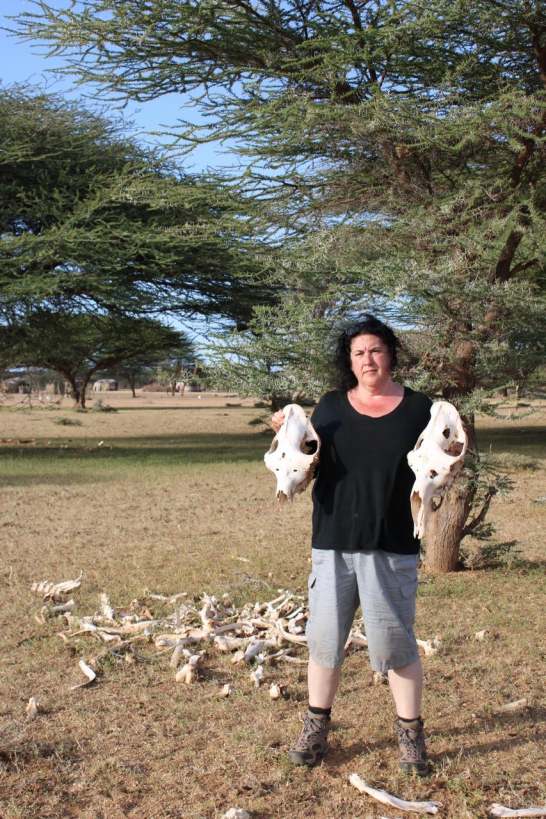
Third of ten global expeditions examines how the Iñupiat sustain psychological resilience on a landscape that is failing beneath them
NOME, Alaska - TelAve -- On September 3, The Human Resilience Project (THRP) begins its third expedition, traveling to Nome to study how the Iñupiat community maintains psychological resilience in a region where the ground is no longer stable enough to trust.
The expedition carries Explorers Club Flag No. 12, an Explorers Club Rolex watch, and the Explorers Club Pacific Northwest Chapter Flag, continuing THRP's practice of conducting each expedition under the Club's formal auspices, a signal to the communities it works with that the research meets a standard of rigor and accountability recognized well beyond THRP itself.
Across the communities surrounding Nome, thawing permafrost is undercutting roads, water systems, and homes, and that instability compounds a documented mental health burden already carried by Alaska Native communities, a legacy of colonization intensified by the acute, ongoing stress of watching the land itself give way. National Institute of Mental Health-funded research into Alaska Native resilience has begun to identify the community-level protective factors, cultural connection chief among them, that buffer against that burden. THRP's fieldwork extends that evidence base, treating the Iñupiat not as a population to be studied for its deficits, but as holders of resilience knowledge that has kept communities intact under conditions engineering alone cannot solve.
More on TelAve News
"Nome is losing solid ground in the most literal sense, and that's exactly where resilience research has to go, to those places of extreme and ongoing stress," said Dr. Constance Scharff, THRP's Founder and Principal Investigator. "Every community we learn from adds to what we understand about human potential and fortitude. Better recognizing how the Iñupiat hold together as their landscape gives way will sharpen that understanding for all ten communities in this project, and beyond."
Fred A. Eningowuk of the Nome Eskimo Community, an enrolled Native Alaskan, is serving as community liaison for this expedition. It was Eningowuk who invited THRP to learn with and from his community.
THRP's field team is composed entirely of women, most of elder age, a composition chosen because in many of the communities THRP partners with, elder women hold the social authority that determines who is trusted with knowledge and how it moves through a community.
Nome is the third of ten planned THRP expeditions investigating resilience at the intersection of climate change and conflict. The project has already completed fieldwork with the Gabra of Kenya and the Māori of New Zealand. The fourth expedition, departing in October, will work with the Guarani of Paraguay. Findings from all ten expeditions will inform THRP's synthesizing book on human resilience, due in late 2028.
More on TelAve News
About The Human Resilience Project
The Human Resilience Project is a global initiative documenting how Indigenous and remote communities sustain psychological resilience amid climate disruption and conflict. Founded and Directed by Dr. Constance Scharff, THRP is conducting fieldwork across ten planned expeditions under a framework of Respect, Relevance, Reciprocity, and Responsibility, positioning the communities it studies as partners in the research rather than its subjects. More information is available at www.THRProject.com.
The expedition carries Explorers Club Flag No. 12, an Explorers Club Rolex watch, and the Explorers Club Pacific Northwest Chapter Flag, continuing THRP's practice of conducting each expedition under the Club's formal auspices, a signal to the communities it works with that the research meets a standard of rigor and accountability recognized well beyond THRP itself.
Across the communities surrounding Nome, thawing permafrost is undercutting roads, water systems, and homes, and that instability compounds a documented mental health burden already carried by Alaska Native communities, a legacy of colonization intensified by the acute, ongoing stress of watching the land itself give way. National Institute of Mental Health-funded research into Alaska Native resilience has begun to identify the community-level protective factors, cultural connection chief among them, that buffer against that burden. THRP's fieldwork extends that evidence base, treating the Iñupiat not as a population to be studied for its deficits, but as holders of resilience knowledge that has kept communities intact under conditions engineering alone cannot solve.
More on TelAve News
- Geospatial Innovation Comes to Sacramento: FOSS4G NA 2026
- Tulsa Air & Space Museum Launches "Give $16 for the F-16" Challenge to Bring Thunderbird Home for Veterans Day
- Hannk And Zubie Join Forces To Shape The Next Generation Of Connected Vehicle Telematics
- Coinfiliate Launches Platform to Helps Shoppers Earn Cashback and Creators Earn Referral Rewards
- Holiday Gambling Spending Expected to Rise 12% in December
"Nome is losing solid ground in the most literal sense, and that's exactly where resilience research has to go, to those places of extreme and ongoing stress," said Dr. Constance Scharff, THRP's Founder and Principal Investigator. "Every community we learn from adds to what we understand about human potential and fortitude. Better recognizing how the Iñupiat hold together as their landscape gives way will sharpen that understanding for all ten communities in this project, and beyond."
Fred A. Eningowuk of the Nome Eskimo Community, an enrolled Native Alaskan, is serving as community liaison for this expedition. It was Eningowuk who invited THRP to learn with and from his community.
THRP's field team is composed entirely of women, most of elder age, a composition chosen because in many of the communities THRP partners with, elder women hold the social authority that determines who is trusted with knowledge and how it moves through a community.
Nome is the third of ten planned THRP expeditions investigating resilience at the intersection of climate change and conflict. The project has already completed fieldwork with the Gabra of Kenya and the Māori of New Zealand. The fourth expedition, departing in October, will work with the Guarani of Paraguay. Findings from all ten expeditions will inform THRP's synthesizing book on human resilience, due in late 2028.
More on TelAve News
- RAS AP Consulting Issues National Compliance Alert and Launches Q4 2026 AP Readiness Program Ahead of IRS FIRE → IRIS Cutover
- Claude Zdanow named Managing Director in Miami, Florida
- Pregis Launches Sharp InfinX: On-Demand Rightsized Mailing System Delivering a Precision-Sized Mailer for Every Order
- netElastic Announces vBNG And CGNAT 2.0 General Availability
- Evergreen Surety Launches Telecommunications Surety Bonds Page as Broadband and 5G Buildout Expands Obligee Requirements
About The Human Resilience Project
The Human Resilience Project is a global initiative documenting how Indigenous and remote communities sustain psychological resilience amid climate disruption and conflict. Founded and Directed by Dr. Constance Scharff, THRP is conducting fieldwork across ten planned expeditions under a framework of Respect, Relevance, Reciprocity, and Responsibility, positioning the communities it studies as partners in the research rather than its subjects. More information is available at www.THRProject.com.
Source: The Human Resilience Project
0 Comments
Latest on TelAve News
- ResC4EU Final Event at KOMPOZYT-EXPO 2026 – Building Resilient European Supply Chains
- CardsNearby Launches Free Nationwide Directory of Card Shows and Local Card Shops for Collectors
- American Garden Rose Selections™ Announces 2027 Winners
- Crossroads4Hope Launches Blood Cancer Resource Hub
- NIL Club Data Shows Brands Are Looking Beyond Follower Counts in College Sports
- SafecomLink 5G-AI-ALE: Automatic Link Establishment that Stays Active for the Life of the Link
- Georgia's Magical Nights of Lights Bigger and Brighter for 2026
- Harvard Educated Board Certified Endodontist Joins Pearlfection Dentistry
- NYC Banners Delivers High-Stakes UN General Assembly Backdrop for the US Department of State Event
- OneVizion Appoints Energy Infrastructure Executive Walt Farrell to Board of Directors
- ReClaim Opens Waitlist for Minimalist Android Launcher Designed to Reduce Screen Time
- Tampa Bay Reporter Launches with a Mission to Deliver Local News with National Reach
- "JACKIE the STRIPPER," Starring Charlotte Kirk and The PUSSYCAT DOLLS' Kimberly Wyatt, Now Streaming on PRIME
- Migguel Anggelo Celebrates the Immigrant Experience, Latino Identity, and the Power of Iconic Latin Rhythms During Hispanic Heritage Month
- Indianapolis Criminal Defense Firm Rigney Law LLC Relaunches Criminal Law Podcast "Tales from the Brown Desk"
- 3ptechies Makes Its Articles Audio-Ready With Instaread Voice Technology
- Genuine Hospitality, LLC Selected to Operate Fairfield Inn & Suites Tampa Wesley Chapel
- Pregis to Highlight EPR Expertise, Sustainable Packaging Solutions and Live Automation Demonstrations at Pack Expo International 2026
- Infinity Infusion Solutions Launches "Women Leading Infusion Care" Campaign for National Women in Business Month
- HuskyTail Digital Puts AI to Work Behind the Scenes to Cut Client Turnaround Time