Popular on TelAve
- Still Using Ice? FrostSkin Reinvents Hydration
- Nest Finders Property Management Named #1 in Jacksonville and Ranked #99 Nationwide
- OneVizion Announces Next Phase of Growth as Brad Kitchens Joins Board of Directors
- Half of Finnish Online Gambling Expenditure Now Flows to Offshore Instant Casinos as License Applications Open March 1, 2026
- EPP Pricing Platform announces leadership transition to support long-term growth and continuity
- RTC Communications Completes Next Level Connect Fiber Expansion Bringing Multi-Gig Broadband to West Boggs Community
- Ice Melts. Infrastructure Fails. What Happens to Clean Water?
- Cold. Clean. Anywhere. Meet FrostSkin
- Wall Street Is Missing This One: Cycurion (NAS DAQ: CYCU) Gets $7 Price Target While Trading at a Steep Discount
- Finland's €1.3 Billion Digital Gambling Market Faces Regulatory Tug-of-War as Player Protection Debate Intensifies
Similar on TelAve
- Williamsville Spa Expands Team to Meet Growing Demand for Professional Facials
- Jack and Sage Acquires Sustainable Apparel Brand Kastlfel, Expanding Premium Logo Wear Across National Parks and Ski Resorts
- Distributed Social Media - Own Your Content
- P-Wave Classics to publish Robert Bage's Hermsprong in three volumes, beginning 12 May
- At 25, She Became One of the Youngest AAPI Female Founders to Win One of the World's Most Prestigious Design Awards for a Lamp That Makes You Smile
- Best Book Publishing Company for Aspiring Authors
- Open House Momentum Builds at Heritage at South Brunswick
- 505 Plumbing, Heating & Cooling Launches in Albuquerque, Bringing a Customer-First Approach to Home Services
- Sleep Basil Unveils Revamped Natural Latex Mattress Collection Page for Cooler, Cleaner, Better-Aligned Sleep
- From Sleepless Nights to Sold-Out Drops: Catch Phrase Poet's First Year Redefining Motivational Urban Apparel
Soil Testing Matters for Healthy, Vibrant Rose Blooms
TelAve News/10888255
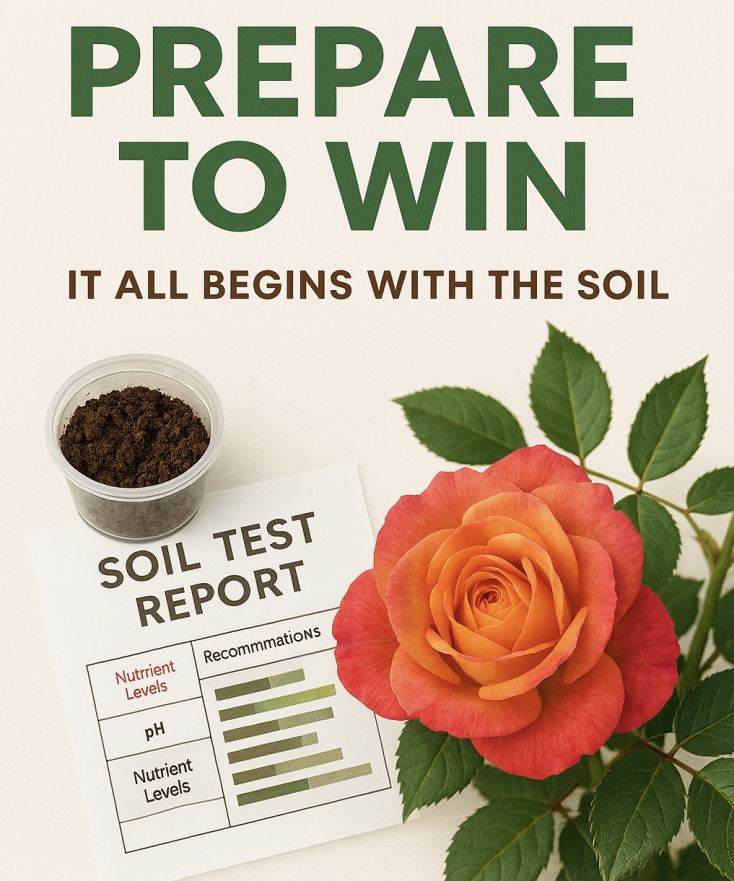
It All Begins With The Soil - The Importance of Soil Testing
BIRMINGHAM, Ala. - TelAve -- When it comes to growing strong, healthy roses, whether in a backyard bed or a show-stopping Southern garden, success doesn't begin with the shovel. It begins with the soil.
The finest blooms, richest colors, and most vigorous growth all trace back to what's happening below the surface. Soil testing is the single most cost-effective, high-impact step any gardener can take to set the stage for a winning season.
Why Soil Testing Matters
Soil isn't just dirt. It's a living, dynamic foundation that determines how well roses absorb nutrients, tolerate stress, and resist disease. A proper soil test provides critical information, including:
More on TelAve News
Where to Get a Cost-Effective Soil Test
Your best option is your local Cooperative Extension office. Extension labs are connected to state universities and offer affordable, research-based soil testing with recommendations specific to your region—something store-bought test kits can't provide. Most soil tests cost between $10 and $15, making them one of the smartest investments a gardener can make.
Ideal Soil Conditions for Growing Roses
Roses are resilient plants, but they perform best when soil conditions are properly balanced.
Optimal pH
When your results arrive, follow the recommendations closely. They are based on your soil and local growing conditions. Common adjustments may include:
More on TelAve News
The Bottom Line
If you want roses that grow stronger, bloom more freely, and stand up to Southern growing conditions, start with the soil. A simple soil test, often costing less than a single fertilizer application, can dramatically improve your garden's performance for the entire season.
Prepare to win. Because every great rose begins with great soil
Chris VanCleave
The Redneck Rosarian
http://www.RedneckRosarian.com
http://www.RoseChatPodcast.com
The finest blooms, richest colors, and most vigorous growth all trace back to what's happening below the surface. Soil testing is the single most cost-effective, high-impact step any gardener can take to set the stage for a winning season.
Why Soil Testing Matters
Soil isn't just dirt. It's a living, dynamic foundation that determines how well roses absorb nutrients, tolerate stress, and resist disease. A proper soil test provides critical information, including:
- Soil pH (how acidic or alkaline the soil is)
- Nutrient levels such as nitrogen, phosphorus, potassium, calcium, and magnesium
- Organic matter content
- Amendment recommendations tailored to your region and crop.
More on TelAve News
- Jack and Sage Acquires Sustainable Apparel Brand Kastlfel, Expanding Premium Logo Wear Across National Parks and Ski Resorts
- Cancun International Airport Prepares for Record Travel Surge Ahead of Spring Break, Summer, and the 2026 High Season
- $167 Billion Pharma R&D Market Largely Untapped by AI Creates Major Growth Runway for KALA Bios Data-Sovereign AI Strategy: N A S D A Q: KALA
- Lighthouse Tech Awards Recognize Top HR Technology Providers for 2026
- ADB Selects OneVizion to Advance Field Execution and Infrastructure Program Management
Where to Get a Cost-Effective Soil Test
Your best option is your local Cooperative Extension office. Extension labs are connected to state universities and offer affordable, research-based soil testing with recommendations specific to your region—something store-bought test kits can't provide. Most soil tests cost between $10 and $15, making them one of the smartest investments a gardener can make.
Ideal Soil Conditions for Growing Roses
Roses are resilient plants, but they perform best when soil conditions are properly balanced.
Optimal pH
- Target range: 6.0–6.7. This slightly acidic range allows roses to absorb nutrients efficiently.
- Acidic soils can be corrected with lime
- Alkaline soils can be adjusted with sulfur or added organic matter
- Nitrogen (N): Promotes leafy growth. Excess nitrogen can reduce bloom production.
- Phosphorus (P): Supports root development and flowering.
- Potassium (K): Improves overall plant strength and disease resistance.
- Calcium and Magnesium: Essential for cell structure and chlorophyll production.
- These nutrients are typically included in routine Extension soil analyses.
- Ideal range: 5-10% Organic matter from compost, aged manure, or shredded leaves improves soil structure, moisture retention, and microbial activity.
When your results arrive, follow the recommendations closely. They are based on your soil and local growing conditions. Common adjustments may include:
- Raising or lowering soil pH
- Incorporating organic matter
- Applying balanced or targeted fertilizers
- Improving drainage or aeration
More on TelAve News
- Memelinked Social Media powered by cryptocurrency launching July 2026
- Seven-Year-Old Toronto Dancer Julianna Selivanov Wins Nine Medals at Quebec Championship and Reaches Finals at UK Dance Festival
- Progressive Dental & The Closing Institute Partner with Zest Dental Solutions to Elevate Full-Arch Growth and Patient Outcomes
- Spring Surge in 55+ Communities: What Buyers and Sellers Need to Know in 2026
- Jason Caras Launches The Caras Institute Following Successful Exit from IT Authorities
The Bottom Line
If you want roses that grow stronger, bloom more freely, and stand up to Southern growing conditions, start with the soil. A simple soil test, often costing less than a single fertilizer application, can dramatically improve your garden's performance for the entire season.
Prepare to win. Because every great rose begins with great soil
Chris VanCleave
The Redneck Rosarian
http://www.RedneckRosarian.com
http://www.RoseChatPodcast.com
Source: Christopher R VanCleave
0 Comments
Latest on TelAve News
- Arcuri Group Announces Long‑Term Partnership with WakeMed Health & Hospitals to Deliver Situational Awareness and De‑escalation Training
- At 25, She Became One of the Youngest AAPI Female Founders to Win One of the World's Most Prestigious Design Awards for a Lamp That Makes You Smile
- Juego Studios Extends Full-Cycle Game Development & Outsourcing Capabilities to the UAE Market
- VENUS Goes Live on CATEX Exchange As UK Financial Ltd Activates The Premier Division Of The Maya Meme's League
- Atlanta Tech Founder Seeks Clarity on Intellectual Property and Innovation Policy
- Purple Heart Recipient Honored by Hall of Fame Son In Viral Tribute Sparking National Conversation on Service Fatherhood, Healing and Legacy
- Amicly Launches as a Safety-First Social App Designed to Help People Build Real, Meaningful Friendships
- Primeindexer Google indexing platform launched by SEO Danmark APS
- Kaltra Introduces New Downward-Spraying Distribution Technology to Boost Microchannel Evaporator Performance
- Talentica Announces Winners of Multi-Agent Hackathon 2026
- Special Alert: Undervalued Opportunity: IQSTEL (N A S D A Q: IQST) Positioned for Explosive Multi-Year Growth
- Triple-Digit Growth, Strategic N A S D A Q Uplist, Plus A Scalable Healthcare Rollout Model: Stock Symbol: CDIX
- Vesica Health Receives FDA Breakthrough Device Designation for AssureMDx
- Lineus Medical's SafeBreak® Vascular Added to Alliant GPO Contract
- Cancun All Inclusive is ready for Spring Break 2026 with new Resorts, Exclusive Deals, activities and more!
- 66% of US Bankruptcies Are Medical — So Americans Are Building Businesses That Cover Healthcare Emergencies
- Ludex Partners With Certified Trading Card Association (CTCA) To Elevate Standards And Innovation In The Trading Card Industry
- Best Book Publishing Company for Aspiring Authors
- Dr. Nadene Rose Releases Moving Memoir on Faith, Grief, and Divine Presence
- Gigasoft Solves AI's Biggest Charting Code Problem: Hallucinated Property Names