Popular on TelAve
- Cover Story about Matthew Cossolotto – Author of Harness Your PromisePower -- Published in July 2026 Enterprise World Magazine - 354
- Lineus Medical Signs Partnership Agreement with DIMA MedTech to Support Expansion into Italy - 349
- Studica Robotics Supports Robotics Training Camp for WorldSkills Shanghai 2026 - 334
- WhereTu Launches to Help Americans Build Successful Lives Abroad - 313
- Mr. Hospital Bed Helps Home Care Buyers Find the Right Hospital Bed - 271
- Martin A. Sumichrast Joins Hawkeye Systems, Inc. as Chairman of the Board
- From the Racetrack to the Boardroom: Aston Martin and Aramco Formula One Partnership Accelerates Circle8 Group: (N A S D A Q: CIRC)
- NextBoat's AI-Powered Marine Marketplace Gains Momentum as Record Growth Signals an Inflection Point for Investors (N Y S E American: NXB)
- Northeast Airlines Launches New Asset Management Group
- Telecom Equipment Group Launches AI-Ready Modular Infrastructure Solution for Next-Gen Networks
Similar on TelAve
- Minus K Technology launches it Educational Giveaway for Universities and Colleges in the USA
- FDA Food Recall Notices After Outbreak Linked to 98 Hospitalizations: Practical Tips for Safer Grocery Shopping
- The 'Tax Squeeze': Betsson's Record Quarter Previews the Economics of Finland's 2027 Casino Market
- Boston Industrial Solutions, Inc. Introduces SAP-G70 Primer for bonding silicone to silicone and other materials
- Crossroads4Hope Announces The Lipschutz Women's Fund
- Aderra Opens in Magnolia, Texas, Offering a New Model for 62+ Homeownership
- DARPA Selects NRx Pharmaceuticals Defense Subsidiary for Contract Negotiations on FDA-Authorized SPARC-TMS Clinical Trial Advancing Mental Health Care
- U.N. Committee Reiterates Forced Psychiatric Detention a Human Rights Violation; CCHR Calls on the U.S. to Implement Protections
- Lineus Medical Signs Partnership Agreement with DIMA MedTech to Support Expansion into Italy
- New Research: Deterministic Decompilation of Hermes Bytecode Back to Readable JavaScript
Research & Data Reveals Back Pain's Mental, Physical and Financial Toll
TelAve News/10897471
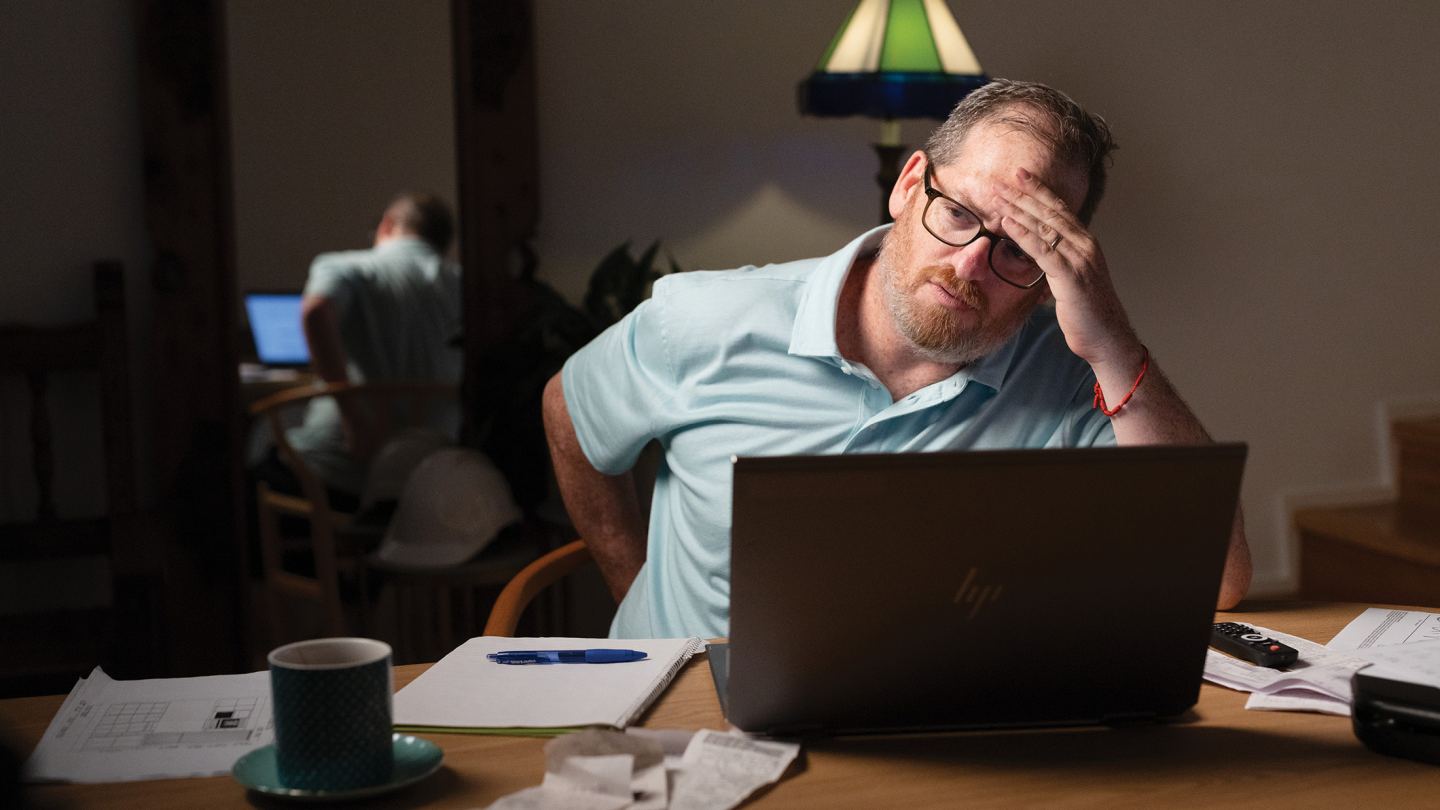
National Spinal Health Month: A Healthy Spine Supports A Healthy Mind
SYDNEY - TelAve -- TODAY, the Australian Chiropractors Association (ACA) launched National Spinal Health Month (1-30 June) with the theme, "A healthy spine supports a healthy mind" to minimise the occurrence of back pain and the impact chronic back pain has on the mental health of Australians of all ages.
ACA President Dr Billy Chow said, "The coexistence of back pain and mental health conditions is associated with impaired quality of life, while the increased risk of developing chronic musculoskeletal disorders (MSDs) poses a significant financial burden on sufferers particularly as the cost-of-living bites.
"While chronic back pain can lead to developing psychological and social problems, depressive symptoms can worsen back pain and increase the disability associated with the condition, which in turn can exacerbate back pain's negative impact on the mental health of sufferers," Dr Chow said.
In launching its month-long Spinal Health Month campaign, ACA has released Australia's first clinical research study that explored the feasibility and acceptability of adding an online, psychologically informed pain management program to the usual healthcare provided by chiropractic musculoskeletal clinicians.
The clinical research study funded by ACA and conducted out of CQUniversity in conjunction with Macquarie University's MindSpot digital psychological care program was conducted by Dr David McNaughton (PhD Psychology), a chiropractor, clinician, academic, Senior Lecturer at CQUniversity and ACA member.
The study, "Adding an online psychologically informed pain management program to routine musculoskeletal care in Australia: A feasibility study," examined how the mind and body communicate when integrating therapies for psychology and physical health.
Dr McNaughton said, "The results are encouraging showing that in applying the biopsychosocial model focussed on the relationship between spinal health, chronic pain and the psychological impact pain has on a person's mental health, we can help mitigate the impact MSDs have on both physical and mental health."
Underpinning the significance of Dr McNaughton's findings, today, the ACA also released new data from an independent national public survey by global research company Pureprofile, Back Pain In Australia: The Impact on Mental, Physical & Financial Health, demonstrating a concerning increase in back pain, the mental health consequences for sufferers and how the cost-of-living is preventing patients from seeking medical treatment.
More on TelAve News
The survey found 87.1% of Australian adult respondents (n1040) experienced back pain within the past 12 months with almost three quarters (69%) reporting it impacted their mental health, and nearly half (45.9%) reporting moderate to extreme impact.
In the past two years, chronic pain has surged 22% with the proportion of back pain sufferers with chronic pain (lasting more than three months) increasing from 30% in 2024 to 44.1% in 2026, while the rising cost of living continues to heavily impact households, driving widespread cost-cutting including for healthcare.
44% of back pain sufferers reported that the cost of living has prevented them from seeking treatment from a healthcare professional with GP visits down 14%; physiotherapy down 23%; and chiropractic down 19% since 2024; while the use of over-the-counter (OTC) pain medications to treat their pain has risen substantially.
85% of sufferers reported using OTC pain medication for back pain - up from 81% in 2024, while 61% reported using prescription medication. 49% have never sought a medical diagnosis for their back pain.
Of concern is that 1 in 10 back pain sufferers reported taking OTCs daily despite established clinical evidence by the University of Sydney that found paracetamol is no more effective than placebo for low back pain, and the WHO guidelines (2023) recommending medication only as an adjunct to active treatment, not as a primary or long-term intervention.
Significantly, over this past year, 52% of back pain sufferers reported that back pain added to their mental load with women hardest hit reporting higher chronic back pain and that they were more likely to experience mental health consequences, while 55% reported it added to their mental load, and 28% said they were more likely than men to avoid treatment due to cost.
6.1 million Australians are already affected by MSDs, of which 58% are of working age in peak income-earning years (25-64 years) with the annual cost to the Australian economy $55.1 billion including direct health costs, lost productivity and reduced quality of life (Deloitte).
The survey found 28.5% (almost one third) of peak working age Australians who suffer low back pain required time off work or were no longer able to work due to their back pain.
Dr McNaughton said, "With MSD cases including back pain projected to increase by 43% over the next two decades including a surge in older Australians living with MSD conditions, research that supports psychologically informed pain management in addition to clinical musculoskeletal healthcare is vital in minimising the overall burden of MSDs on Australians' health and wellbeing and the economy.
More on TelAve News
Dr McNaughton's study is the first to assess the integration of clinical treatment of MSDs and online psychological pain management programs to minimise the physical and emotional impact chronic musculoskeletal pain has on the overall health and wellbeing of sufferers.
"By integrating clinical chiropractic treatments with psychologically informed pain management in a biopsychosocial model, we can help minimise the overarching impact MSD pain (including back pain) has on sufferers," Dr McNaughton said
The study recruited 26 musculoskeletal clinicians (19 chiropractors, 73%) to evaluate their attitudes and perspectives on the psychologically informed pain management program and to invite patients undergoing musculoskeletal healthcare to participate in an online pain management program.
In addition to traditional musculoskeletal treatment, the MindSpot Pain Course, a well-established, data-driven psychologically informed pain management program offering strong data validation in pain-related disability, anxiety, and depression for thousands of participants, was selected as the online mental health service.
The MindSpot Pain Course based on cognitive and behavioural principles suitable for people with a range of persistent pain conditions and pain-related difficulties comprises five online "lessons" (or modules) and associated practice exercises released over eight weeks.
Of the 60 patients with persistent musculoskeletal pain that participated, 40 (66%) completed an initial online psychological assessment; 29 (48%) went on to enrol in the MindSpot Pain Course; 22 (36%) completed the program while undergoing their usual treatments by their musculoskeletal clinician; 76% completed the MindSpot Pain Course; and 42 (70%) of the 60 patients completed the follow up questionnaire at 4 months.
Patients who completed the MindSpot Pain Course consistently reported positive experiences around course process, course experiences and found the program beneficial, acceptable and useful in helping to manage their chronic musculoskeletal pain and psychological symptoms in conjunction with chiropractic treatment.
"The results of the study are promising with all psychological and musculoskeletal pain-related outcomes of patients appearing to improve across all participants, with patients reporting that the referral by their trusted clinician was critical to their participation and completion of the MindSpot Pain Course, particularly among patients who had not been previously exposed to psychological therapy," said Dr McNaughton.
To minimise the long-term implications of MSDs including back pain, sufferers should seek drug-free, chiropractic healthcare to treat the cause, not just the symptoms to inhibit the risk of chronic pain and mitigate negative secondary implications including the impact chronic pain has on mental health and overall wellbeing.
MEDIA CENTRE: Images, data, journalist notes, vision etc: https://bit.ly/SHM26-Media ACA@insightcommunications.net.au
https://youtu.be/vmJb-9RiP6U?si=hP1dYeQt0xKL4OTB
ACA President Dr Billy Chow said, "The coexistence of back pain and mental health conditions is associated with impaired quality of life, while the increased risk of developing chronic musculoskeletal disorders (MSDs) poses a significant financial burden on sufferers particularly as the cost-of-living bites.
"While chronic back pain can lead to developing psychological and social problems, depressive symptoms can worsen back pain and increase the disability associated with the condition, which in turn can exacerbate back pain's negative impact on the mental health of sufferers," Dr Chow said.
In launching its month-long Spinal Health Month campaign, ACA has released Australia's first clinical research study that explored the feasibility and acceptability of adding an online, psychologically informed pain management program to the usual healthcare provided by chiropractic musculoskeletal clinicians.
The clinical research study funded by ACA and conducted out of CQUniversity in conjunction with Macquarie University's MindSpot digital psychological care program was conducted by Dr David McNaughton (PhD Psychology), a chiropractor, clinician, academic, Senior Lecturer at CQUniversity and ACA member.
The study, "Adding an online psychologically informed pain management program to routine musculoskeletal care in Australia: A feasibility study," examined how the mind and body communicate when integrating therapies for psychology and physical health.
Dr McNaughton said, "The results are encouraging showing that in applying the biopsychosocial model focussed on the relationship between spinal health, chronic pain and the psychological impact pain has on a person's mental health, we can help mitigate the impact MSDs have on both physical and mental health."
Underpinning the significance of Dr McNaughton's findings, today, the ACA also released new data from an independent national public survey by global research company Pureprofile, Back Pain In Australia: The Impact on Mental, Physical & Financial Health, demonstrating a concerning increase in back pain, the mental health consequences for sufferers and how the cost-of-living is preventing patients from seeking medical treatment.
More on TelAve News
- Minus K Technology launches it Educational Giveaway for Universities and Colleges in the USA
- UK Financial Ltd Verifies Maya Preferred PRA Circulating Supply, Proving Its Eight-Year Promise of Under 1M Tokens After Chainlink Labs Agreement
- Anamorphic 3D Only Works on Fixed Screens. Loud! OOH Put It on a Moving Ad Van for Flood Re
- From DJ Booths to Disney: Orlando Author Ryan Tiffin Launches "Chasing Magic"
- FDA Food Recall Notices After Outbreak Linked to 98 Hospitalizations: Practical Tips for Safer Grocery Shopping
The survey found 87.1% of Australian adult respondents (n1040) experienced back pain within the past 12 months with almost three quarters (69%) reporting it impacted their mental health, and nearly half (45.9%) reporting moderate to extreme impact.
In the past two years, chronic pain has surged 22% with the proportion of back pain sufferers with chronic pain (lasting more than three months) increasing from 30% in 2024 to 44.1% in 2026, while the rising cost of living continues to heavily impact households, driving widespread cost-cutting including for healthcare.
44% of back pain sufferers reported that the cost of living has prevented them from seeking treatment from a healthcare professional with GP visits down 14%; physiotherapy down 23%; and chiropractic down 19% since 2024; while the use of over-the-counter (OTC) pain medications to treat their pain has risen substantially.
85% of sufferers reported using OTC pain medication for back pain - up from 81% in 2024, while 61% reported using prescription medication. 49% have never sought a medical diagnosis for their back pain.
Of concern is that 1 in 10 back pain sufferers reported taking OTCs daily despite established clinical evidence by the University of Sydney that found paracetamol is no more effective than placebo for low back pain, and the WHO guidelines (2023) recommending medication only as an adjunct to active treatment, not as a primary or long-term intervention.
Significantly, over this past year, 52% of back pain sufferers reported that back pain added to their mental load with women hardest hit reporting higher chronic back pain and that they were more likely to experience mental health consequences, while 55% reported it added to their mental load, and 28% said they were more likely than men to avoid treatment due to cost.
6.1 million Australians are already affected by MSDs, of which 58% are of working age in peak income-earning years (25-64 years) with the annual cost to the Australian economy $55.1 billion including direct health costs, lost productivity and reduced quality of life (Deloitte).
The survey found 28.5% (almost one third) of peak working age Australians who suffer low back pain required time off work or were no longer able to work due to their back pain.
Dr McNaughton said, "With MSD cases including back pain projected to increase by 43% over the next two decades including a surge in older Australians living with MSD conditions, research that supports psychologically informed pain management in addition to clinical musculoskeletal healthcare is vital in minimising the overall burden of MSDs on Australians' health and wellbeing and the economy.
More on TelAve News
- The 'Tax Squeeze': Betsson's Record Quarter Previews the Economics of Finland's 2027 Casino Market
- ImagineX Acquires Payteros to Strengthen Digital Transformation Capabilities
- From Pizza to Playlists: Marty The Pizza Guy Delivers Three Delicious New Songs
- Salestrics Introduces PraiseEngine: The AI-Native Review Engine Built to Fix Social Proof
- Phinge Notifies Parties in Apple v. Liu it is Exploring Amicus Curiae Submission Regarding its Foundational App-less & Hardware Verified Technologies
Dr McNaughton's study is the first to assess the integration of clinical treatment of MSDs and online psychological pain management programs to minimise the physical and emotional impact chronic musculoskeletal pain has on the overall health and wellbeing of sufferers.
"By integrating clinical chiropractic treatments with psychologically informed pain management in a biopsychosocial model, we can help minimise the overarching impact MSD pain (including back pain) has on sufferers," Dr McNaughton said
The study recruited 26 musculoskeletal clinicians (19 chiropractors, 73%) to evaluate their attitudes and perspectives on the psychologically informed pain management program and to invite patients undergoing musculoskeletal healthcare to participate in an online pain management program.
In addition to traditional musculoskeletal treatment, the MindSpot Pain Course, a well-established, data-driven psychologically informed pain management program offering strong data validation in pain-related disability, anxiety, and depression for thousands of participants, was selected as the online mental health service.
The MindSpot Pain Course based on cognitive and behavioural principles suitable for people with a range of persistent pain conditions and pain-related difficulties comprises five online "lessons" (or modules) and associated practice exercises released over eight weeks.
Of the 60 patients with persistent musculoskeletal pain that participated, 40 (66%) completed an initial online psychological assessment; 29 (48%) went on to enrol in the MindSpot Pain Course; 22 (36%) completed the program while undergoing their usual treatments by their musculoskeletal clinician; 76% completed the MindSpot Pain Course; and 42 (70%) of the 60 patients completed the follow up questionnaire at 4 months.
Patients who completed the MindSpot Pain Course consistently reported positive experiences around course process, course experiences and found the program beneficial, acceptable and useful in helping to manage their chronic musculoskeletal pain and psychological symptoms in conjunction with chiropractic treatment.
"The results of the study are promising with all psychological and musculoskeletal pain-related outcomes of patients appearing to improve across all participants, with patients reporting that the referral by their trusted clinician was critical to their participation and completion of the MindSpot Pain Course, particularly among patients who had not been previously exposed to psychological therapy," said Dr McNaughton.
To minimise the long-term implications of MSDs including back pain, sufferers should seek drug-free, chiropractic healthcare to treat the cause, not just the symptoms to inhibit the risk of chronic pain and mitigate negative secondary implications including the impact chronic pain has on mental health and overall wellbeing.
MEDIA CENTRE: Images, data, journalist notes, vision etc: https://bit.ly/SHM26-Media ACA@insightcommunications.net.au
https://youtu.be/vmJb-9RiP6U?si=hP1dYeQt0xKL4OTB
Source: Australian Chiropractors Association
0 Comments
Latest on TelAve News
- AI, Drones, Defense & Explosive Growth: Why ZenaTech Is Emerging as One of the Most Compelling Technology Growth Stories (N A S D A Q: ZENA)
- 91 Per Cent of Enterprises Will Increase AI Spending. Most Can't See the Cost — or the Risk!
- New ProEssentials v11: Native WinUI Charting Library, 100M Points in 15ms, Following Microsoft's Vision for True Native Swap-Chain Rendering
- Salestrics Releases Version 2.0 to Unify CRM, Business Email, and Operations on a Single Customer Graph
- ForityCloud Launches Tandem, a Fully Managed Private Cloud for Businesses Ready to Scale
- Aderra Opens in Magnolia, Texas, Offering a New Model for 62+ Homeownership
- What's New in Hokkaido, Autumn 2026
- ASTPP Launches Carrier-Grade VoIP Billing Software for Wholesale Telecom Carriers
- CRG Awarded NASA SEWP VI Contracts in Categories B and C
- Heidi G. Villari of The Villari Firm, PLLC Named to Super Lawyers for the Tenth Consecutive Year
- Elevate Your Sneakers With Crep Protect Trek Laces
- Meet Privateer: Tucson's High-Tech Security Force Built With Paramilitary Precision
- Dynamic Dachshund Dog Goes Global: Remember Point Launches a New Bilingual Children's Book
- VoIP Supply Launches CloudSpan: A Brand-Agnostic Platform for PBX Licensing and Hosting Management
- DARPA Selects NRx Pharmaceuticals Defense Subsidiary for Contract Negotiations on FDA-Authorized SPARC-TMS Clinical Trial Advancing Mental Health Care
- From the Racetrack to the Boardroom: Aston Martin and Aramco Formula One Partnership Accelerates Circle8 Group: (N A S D A Q: CIRC)
- U.N. Committee Reiterates Forced Psychiatric Detention a Human Rights Violation; CCHR Calls on the U.S. to Implement Protections
- Valgar LLC Launches The Briefing Room: Education Leaders
- New Novel WINCE Takes Unflinching Aim at American Gun Culture and Masculinity
- New Research Puts the Cost of Enterprise Decision Delay at $630 Billion a Year Across the Global 2000